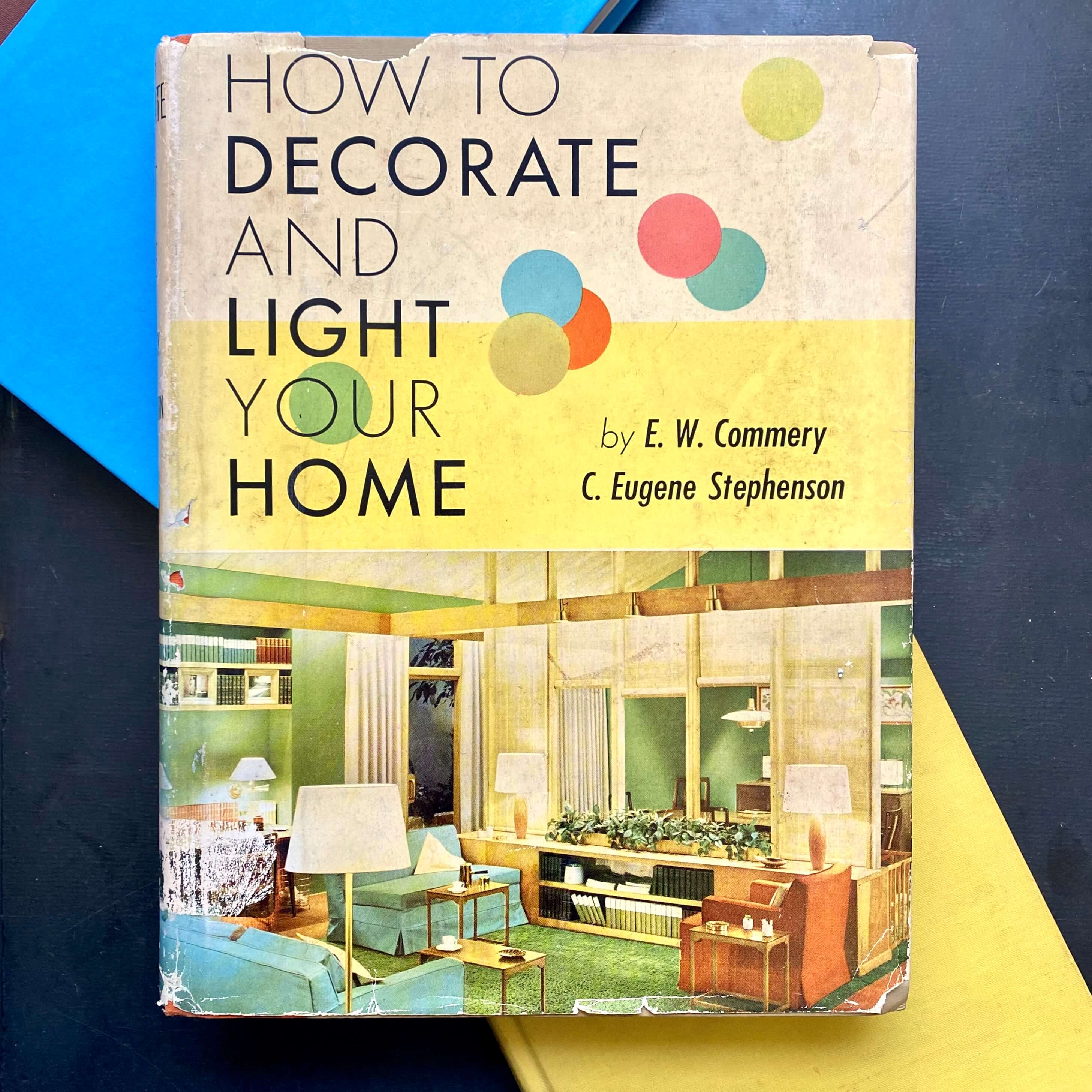
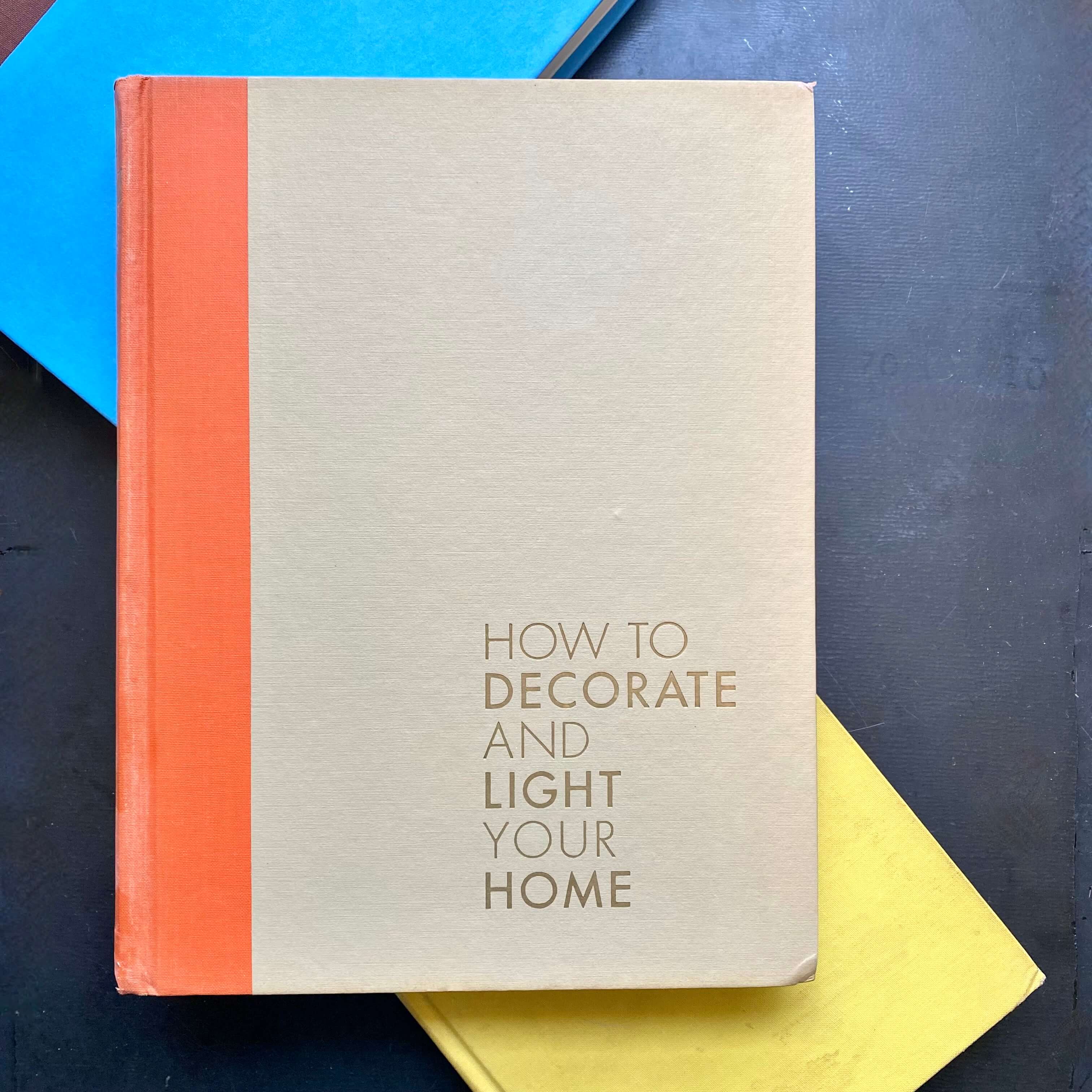
How to Decorate and Light Your Home by E.W. Commery & C. Eugene Stephenson - 1955 First Edition
How to Decorate and Light Your Home by E.W. Commery & C. Eugene Stephenson - 1955 First Edition
No matter how attractive or well-conceived interiors may be, properly integrated controlled lighting is the key to decorating success. Eugene Stephenson, 1961
{HISTORY}
Often overlooked until the final decorating stages, lighting can make or break any room design with just one flip of the switch. Too fluorescent, and it casts a garish light. Too bright and it creates a cold, sterile environment. Too dim, and you can barely see where you're going or who you are spending time with. For the mid-20th-century DIYer, How To Decorate and Light Your Home was an informative guidebook written by two highly regarded industry professionals who had the best aesthetics in mind when it came to creating a warm, welcoming, and pleasant home environment.
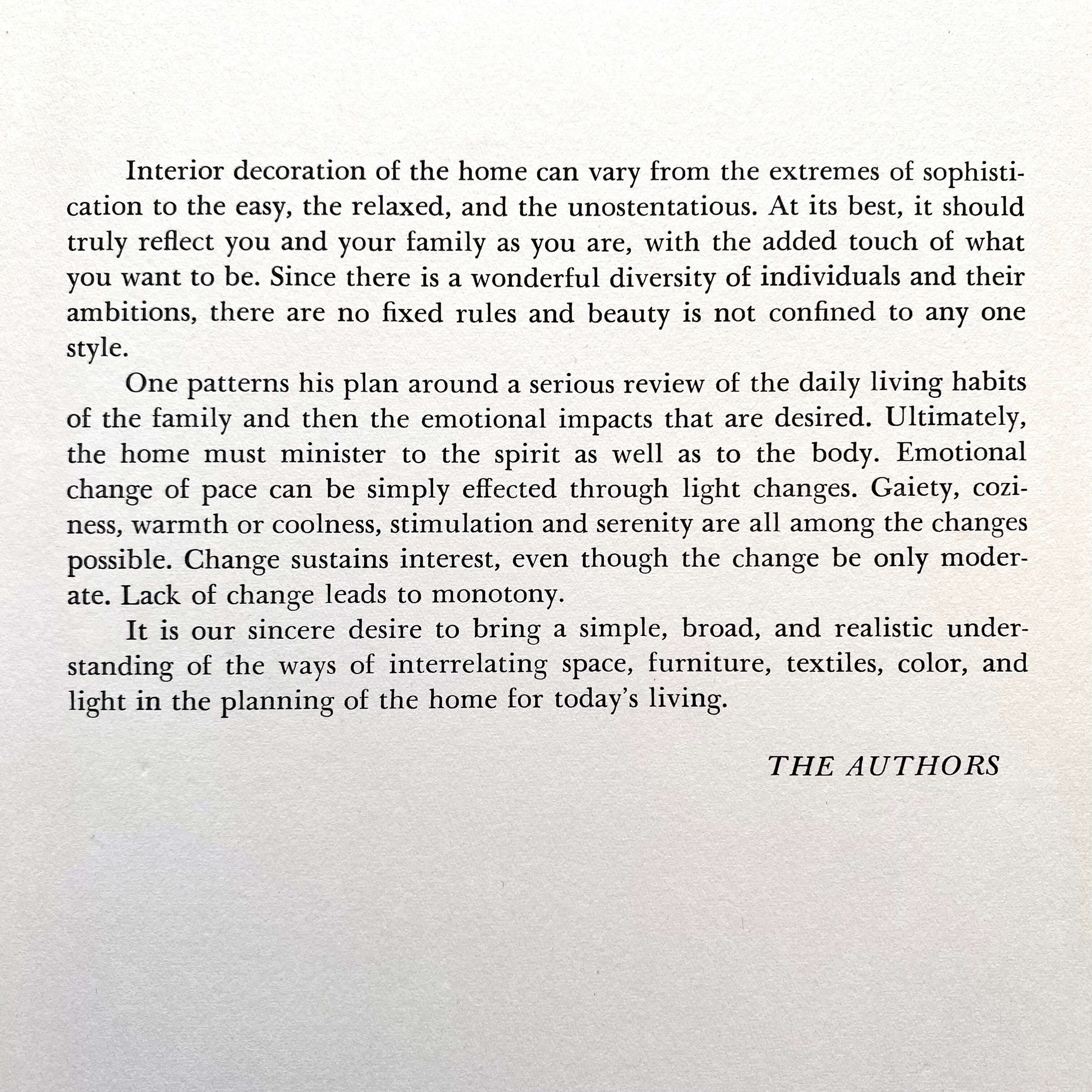
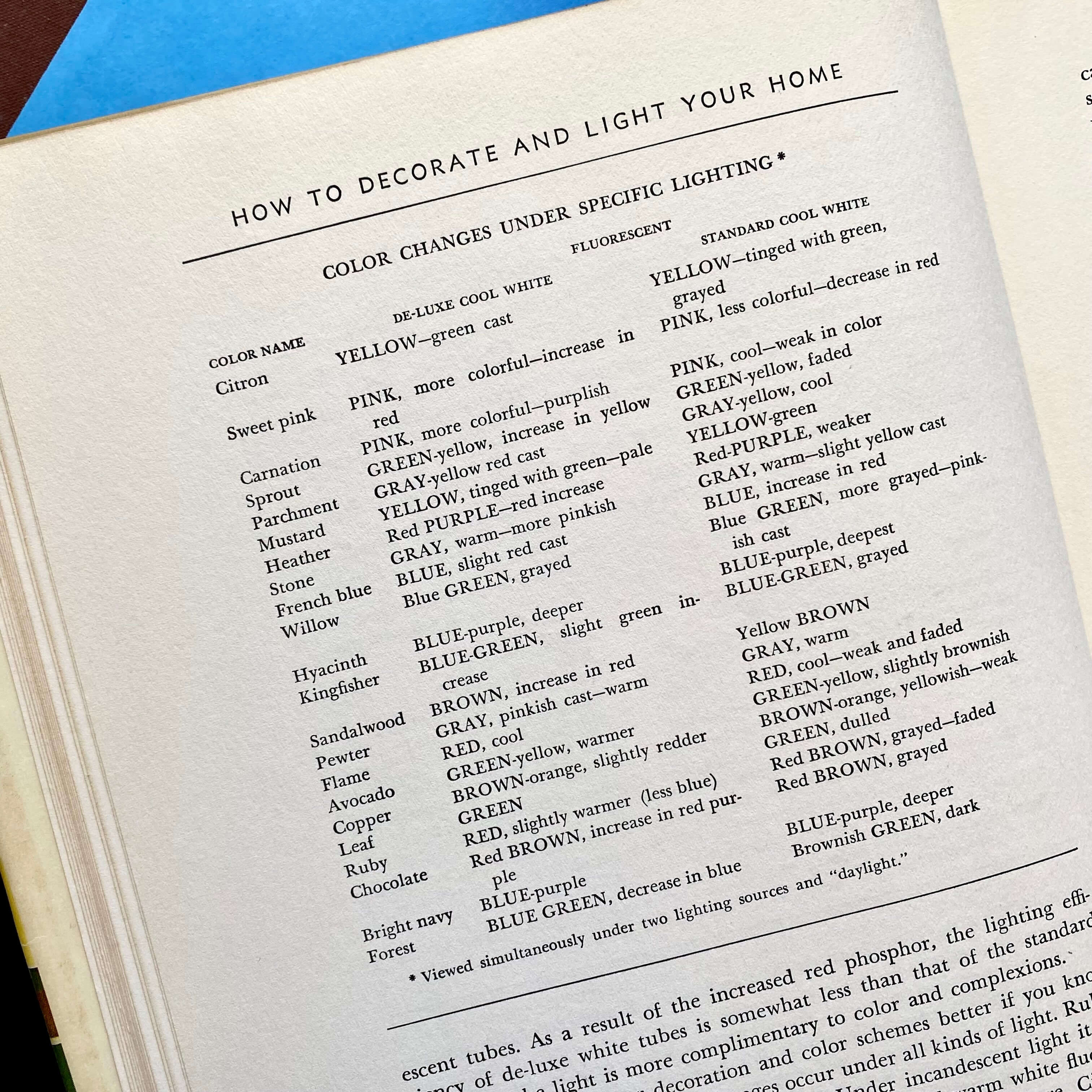
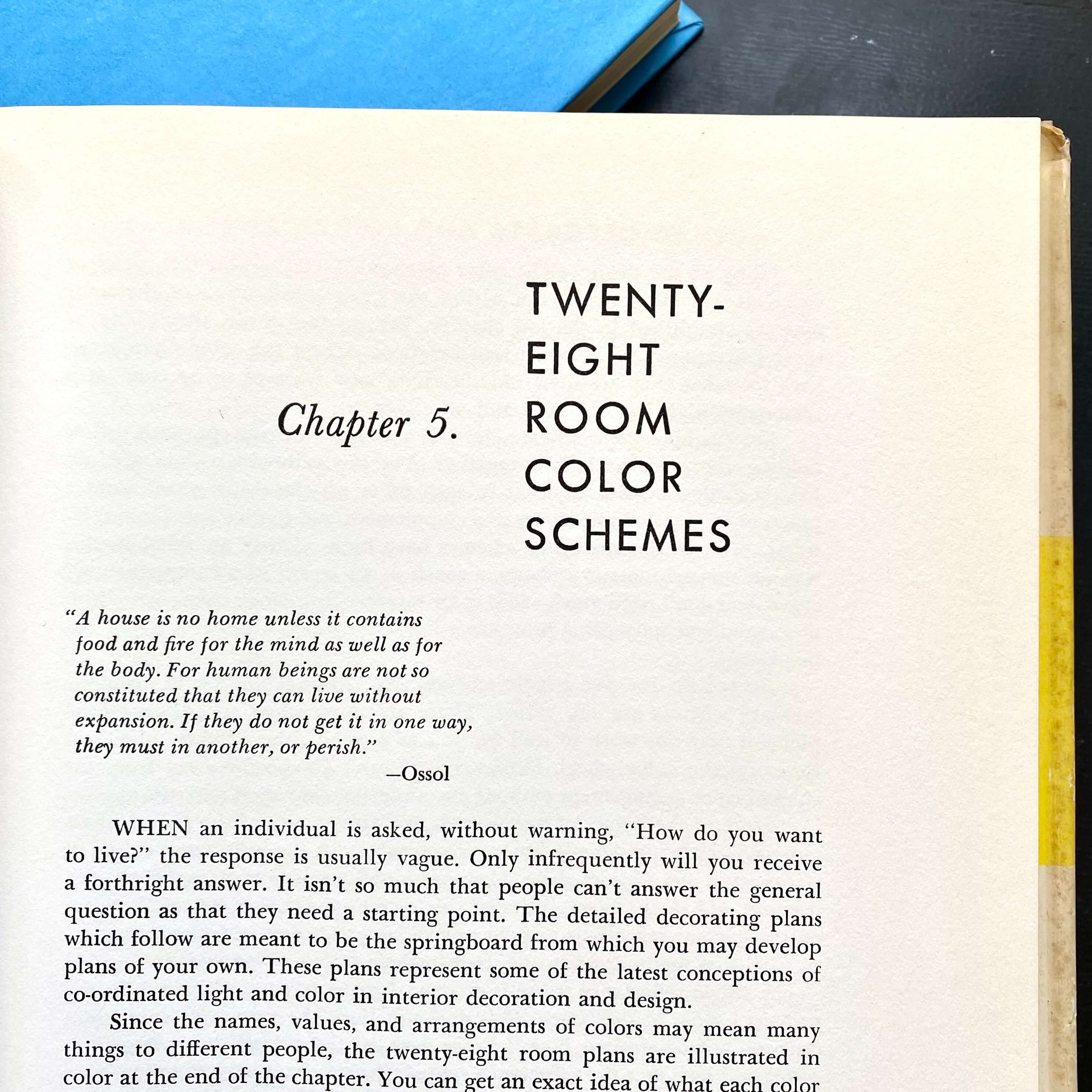
One helpful design tip or technique always leads to and affects another, so you can’t completely have an interior lighting book without diving into all other aspects of interior design, too. From placement of furniture to color palettes to window treatments to incorporating different levels and types of lighting, this 1955 book tackles all aspects of thoughtful interior design to encourage harmonious room arrangements.
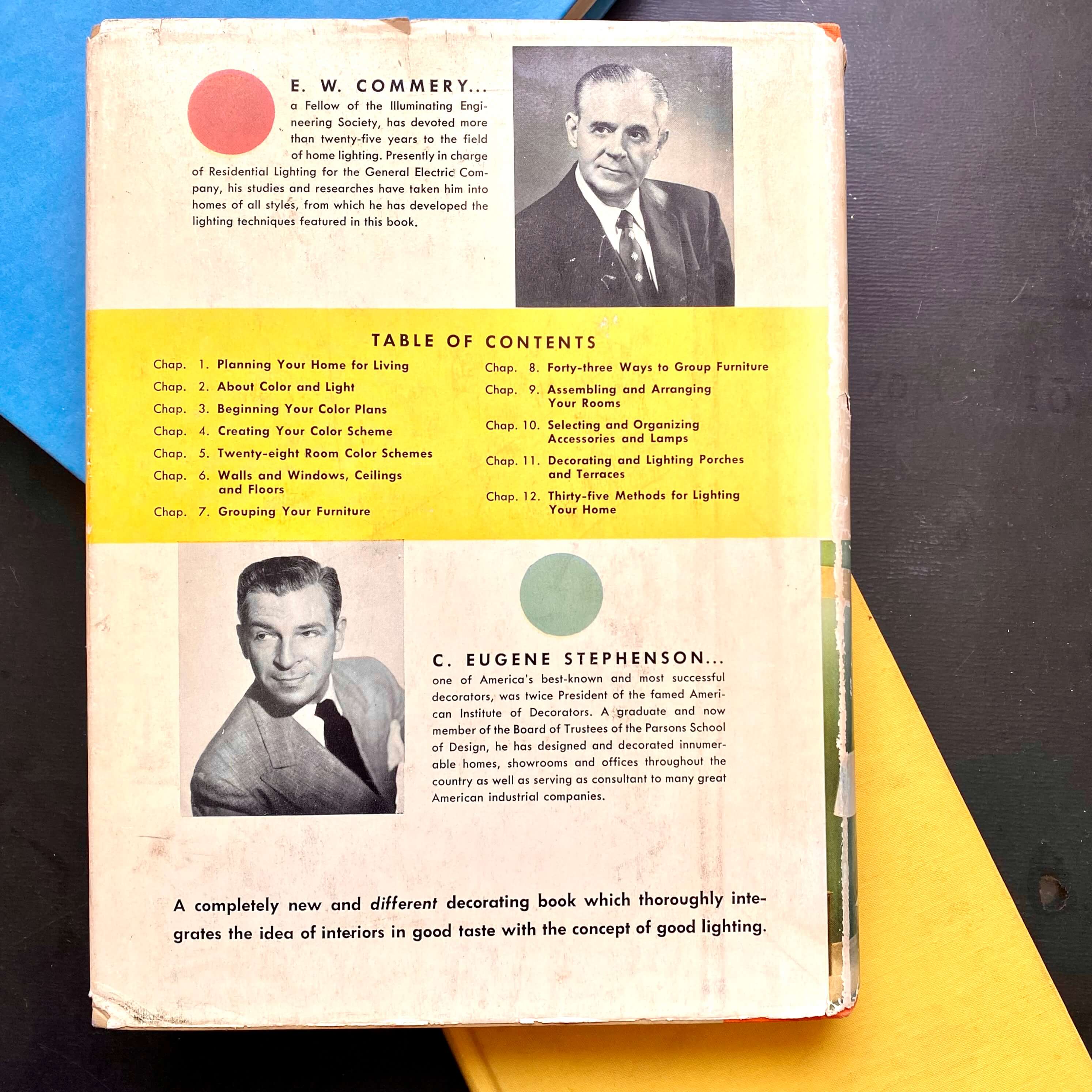
Often mentioned in the same circles as Dorothy Draper, Charles Eugene Stephenson (1904-2005) was one of the most respected American interior designers of the mid-20th century. Along with his wife, Olive, also a skilled interior decorator in her own right, they ran their own design firm in New York City and were frequently lauded for their various themed room schemes during the 1950s and 1960s. Of particular interest to Eugene was the effect of color on productivity in industrial environments as well as corporate workspaces, and how that translated to the home space at the end of the day. From a fun family of world-travelers, architects, and film production designers, Eugene's mom noticed his design talent when he started decorating the dining room chairs with ribbons and bows at the age of two. With a penchant for the creative life, he was a graduate of Parsons School of Design, President of the American Institute of Decorators, and widely recognized for his award-winning room designs.
With an array of indoor and outdoor lighting options today, it’s difficult to imagine that in the early 1950s, 95% of American households lacked adequate lighting. By the time this book was published, Eugene W. Commery (1893-1960) had been a trusted expert in the residential lighting field for decades. He saw firsthand how lack of light affected moods and made tasks more difficult in domestic environments of all shapes and sizes. As part of the General Electric Lighting team, he was passionate about showing homeowners the ways in which appropriate lighting and its installation could affect the overall atmosphere of an interior space.
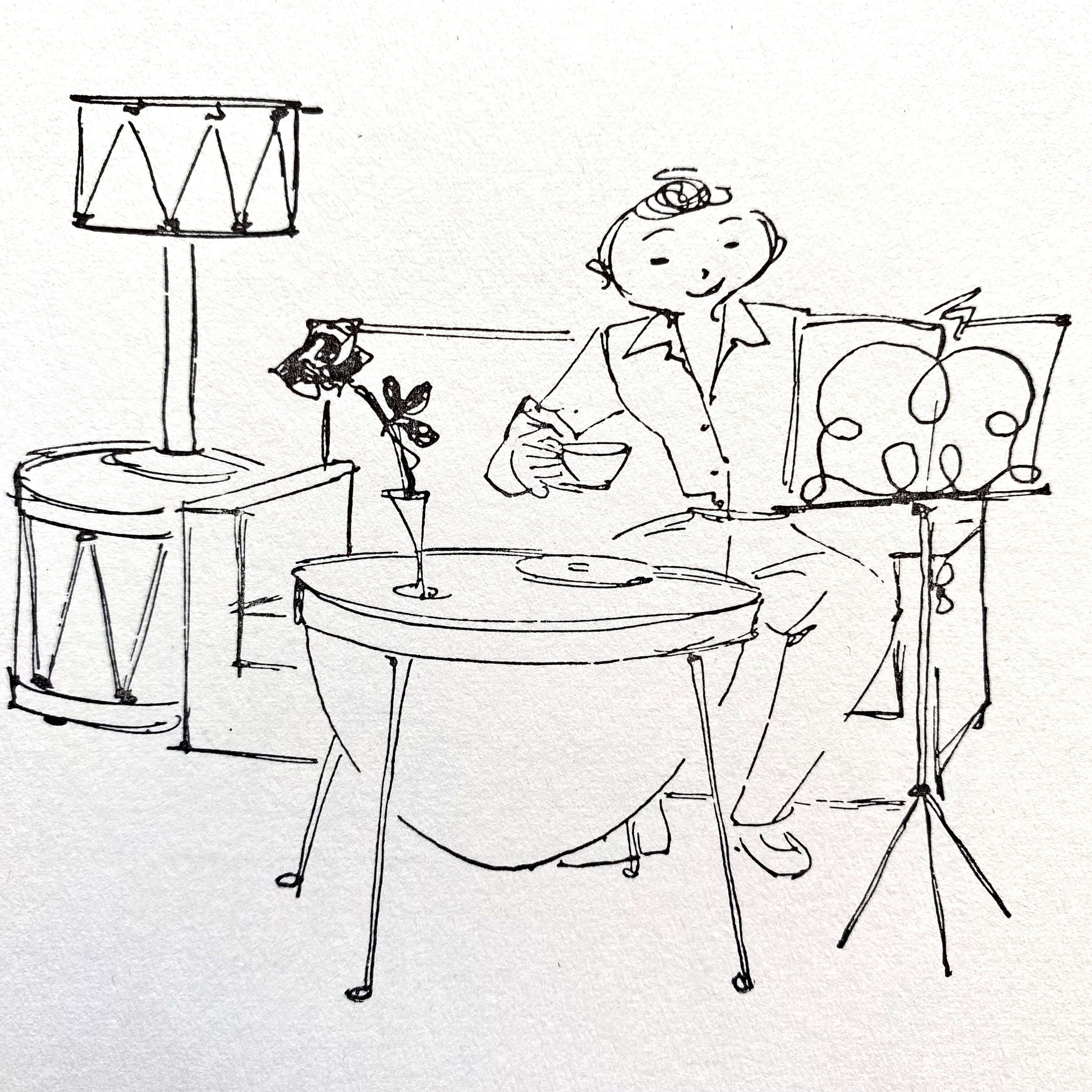
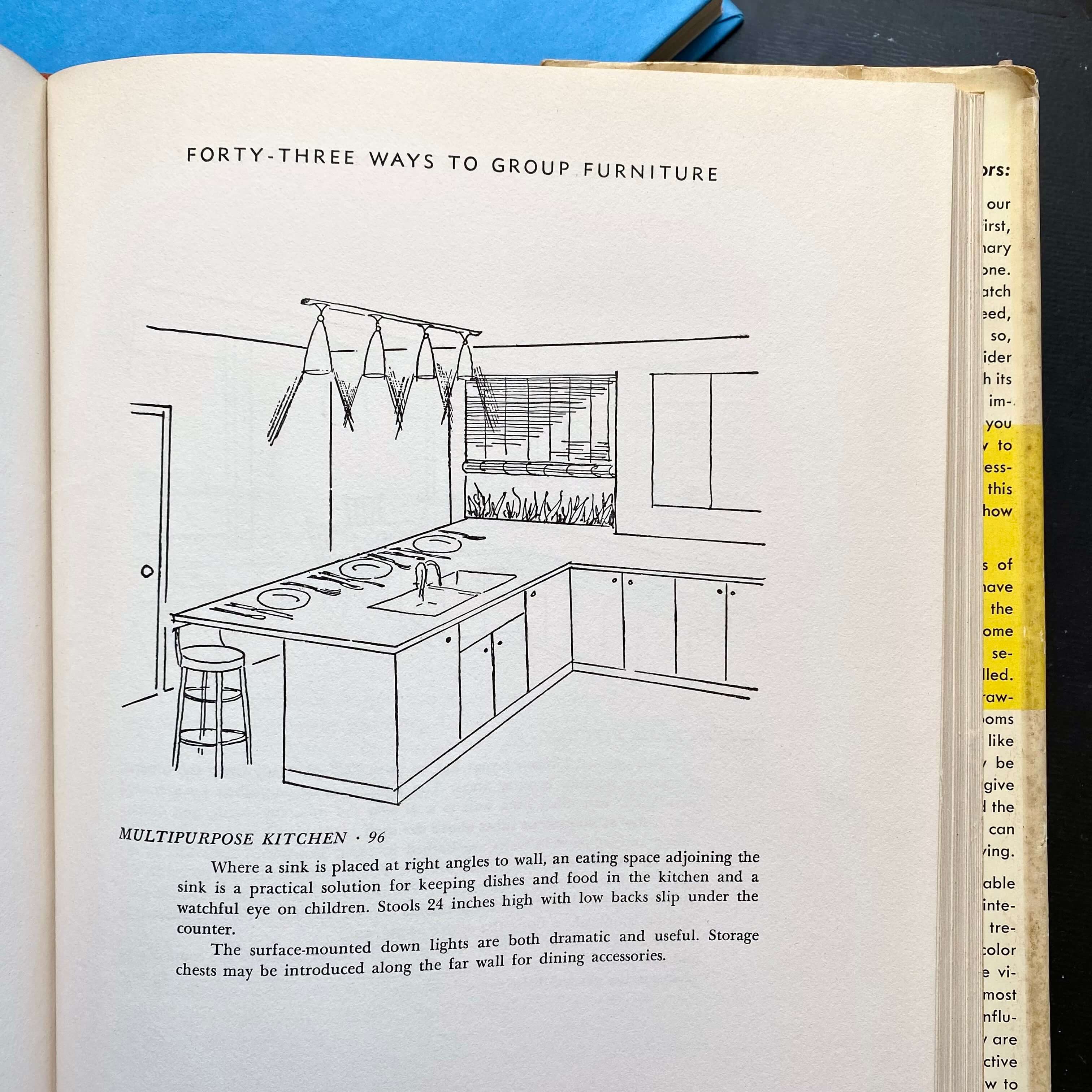
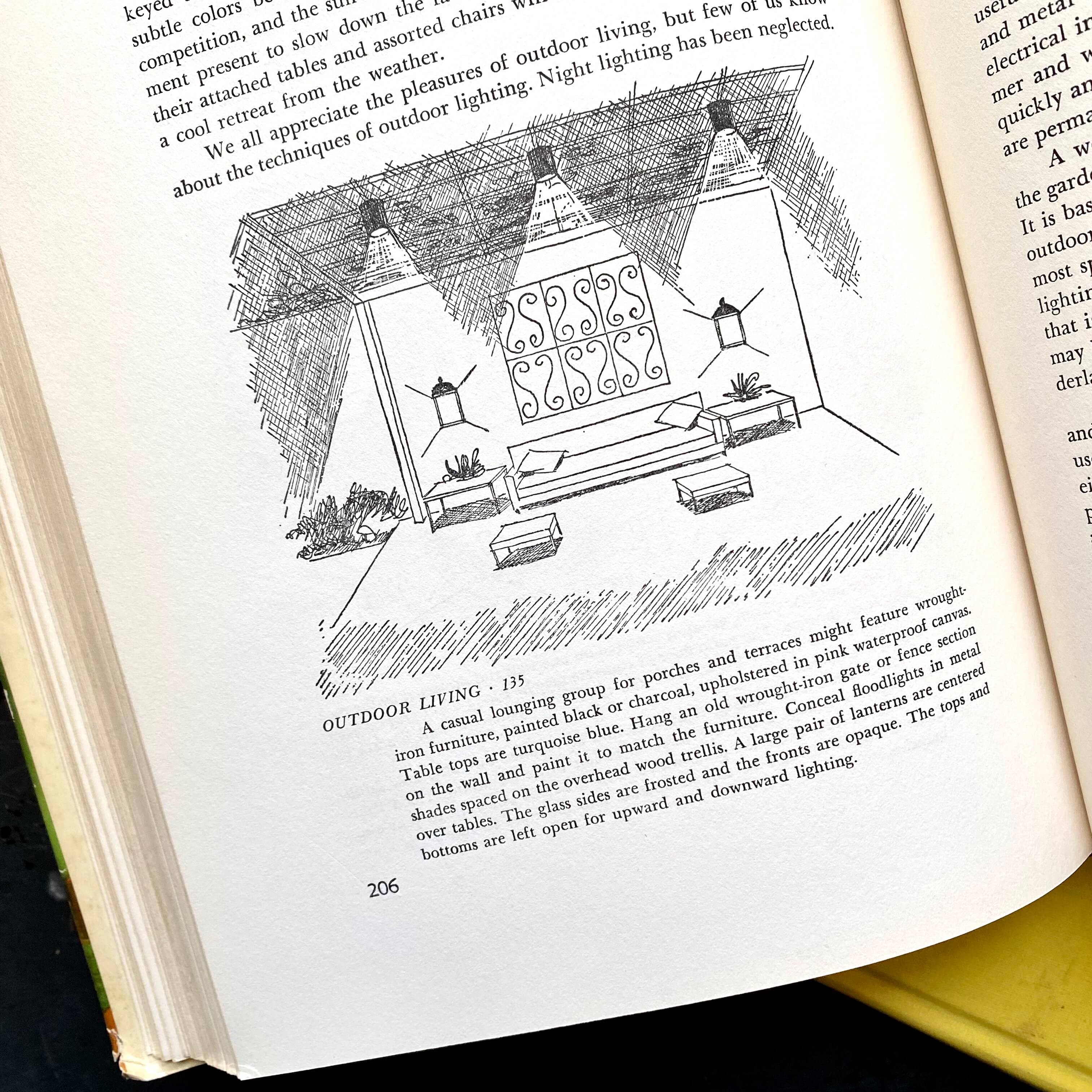
All that being said, the two Eugenes paired up together to create this helpful and informative book dedicated to highlighting the importance of proper illumination in the domestic space. Full of interesting, practical, how-to information and peppered with line drawings on every page, this book also offers interior decoration advice customized to fit your needs, personality, and style.
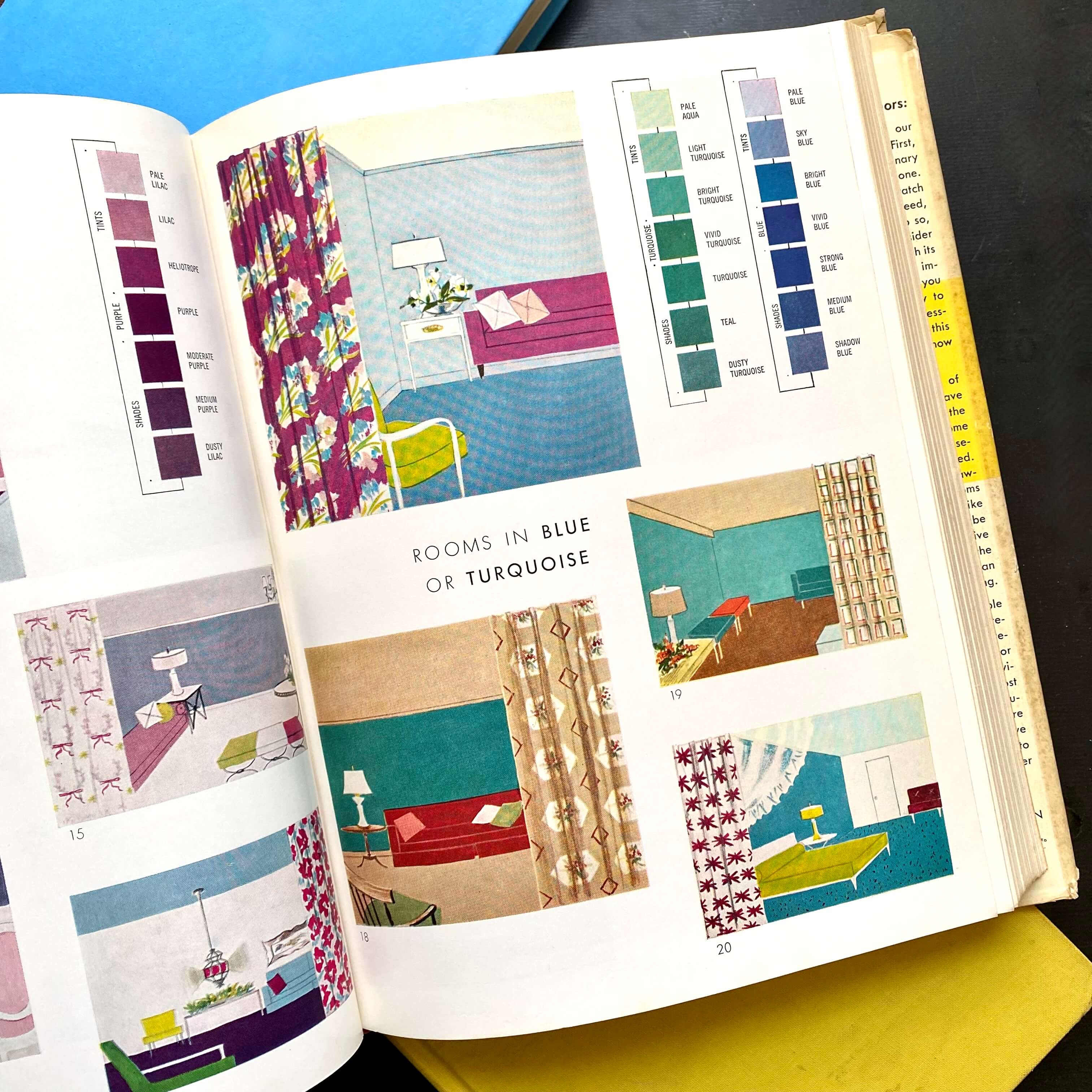
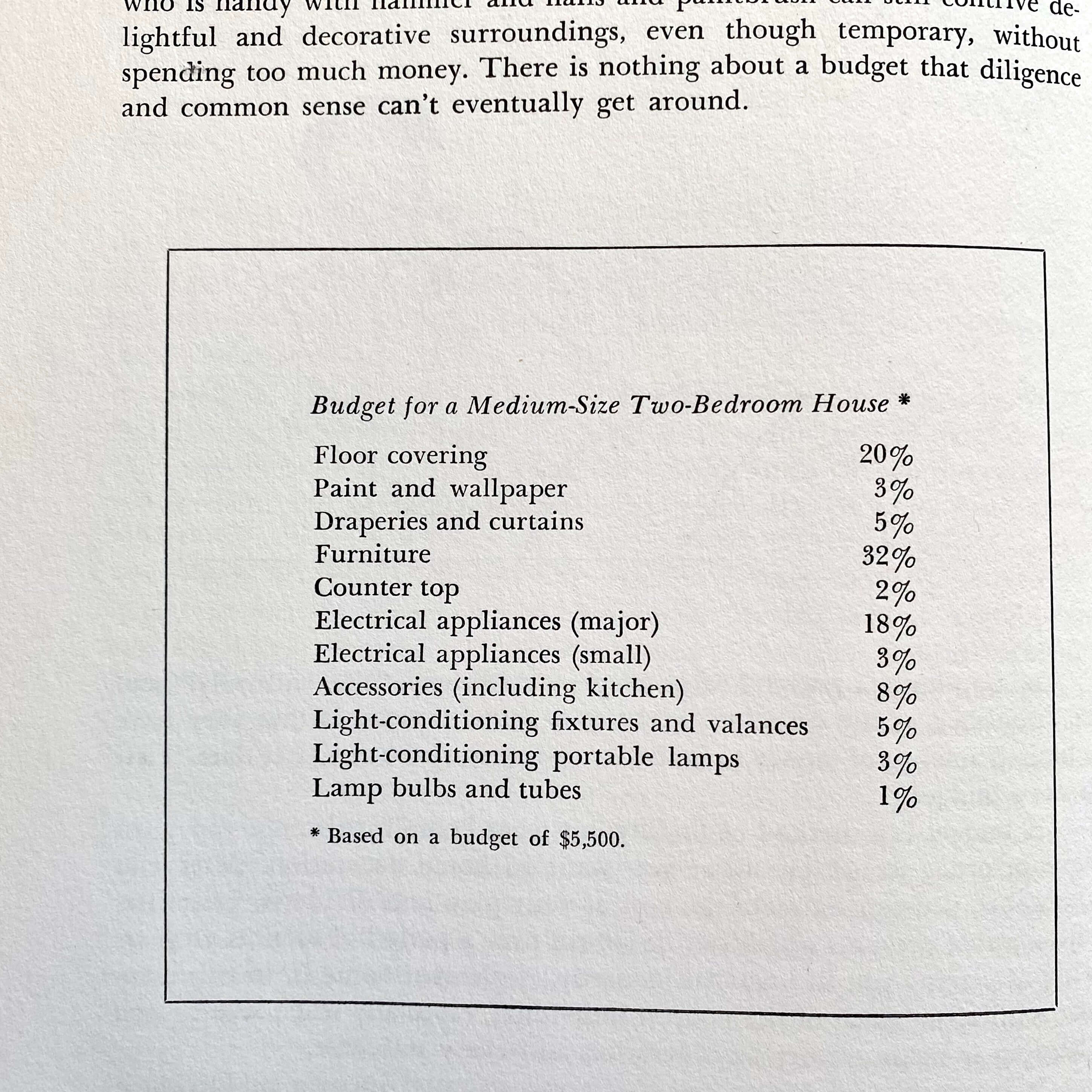
Fascinating sections on the effects of different color combinations within a room show readers how different hues, and combinations thereof, create drama or softness, a soothing environment for relaxation or one that promotes excitability and creativity. Appropriate lamp types and styles for each room and their placement within highlight the importance of illuminating specific activities and setting the overall tone of each space. For kitchen lovers, there are many sections detailing the importance of specific lamps and lighting heights and placement as well as appropriate window coverings for both indoor and outdoor eating and cooking areas.
Especially fun for midcentury home dwellers, this vintage interior decorating book filled a need in the home design market of the 1950s and set the stage for how, why, and in what ways we light our homes today.
{SPECIAL FEATURES}
- Published in 1955, unstated First Edition
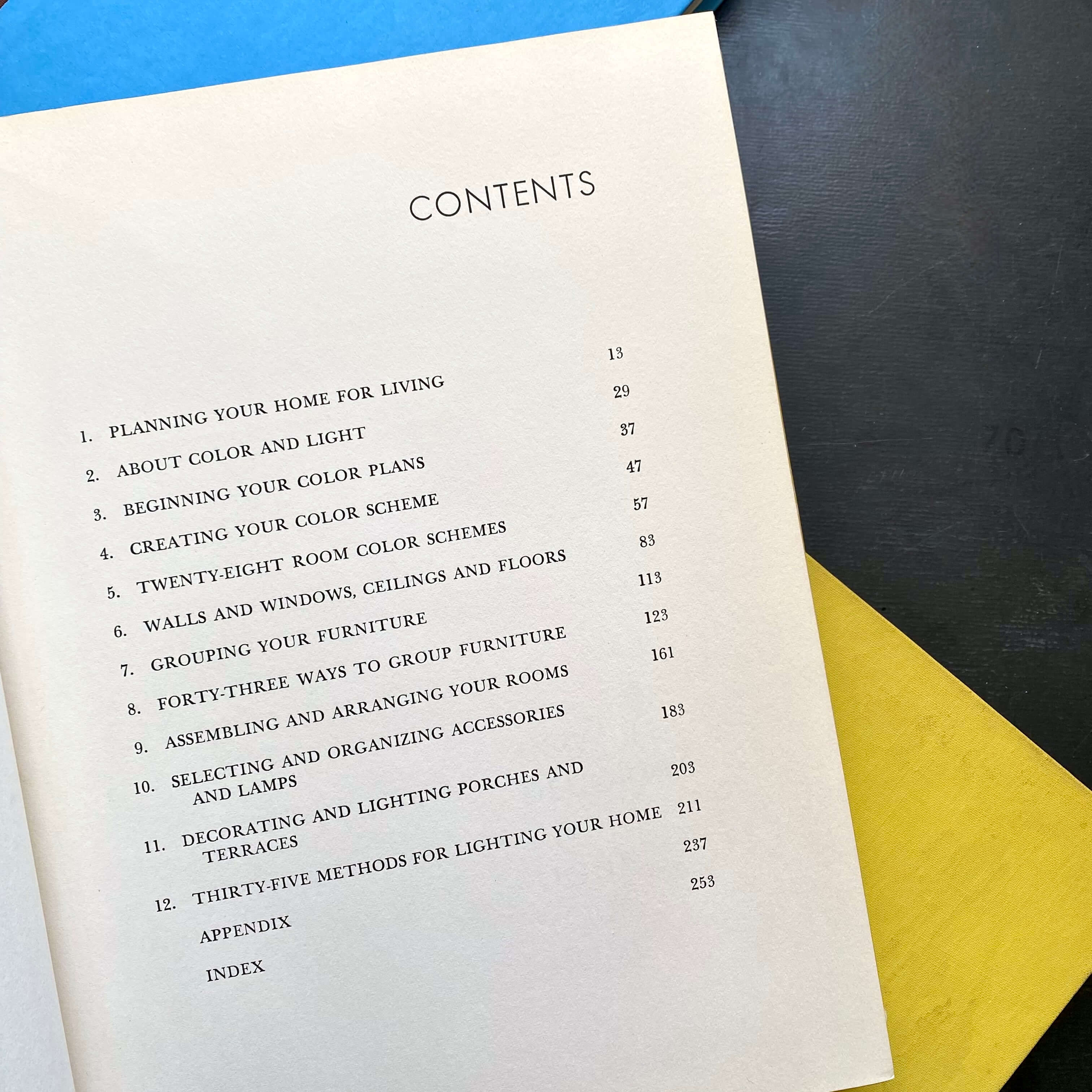
- 256 pages including a detailed index
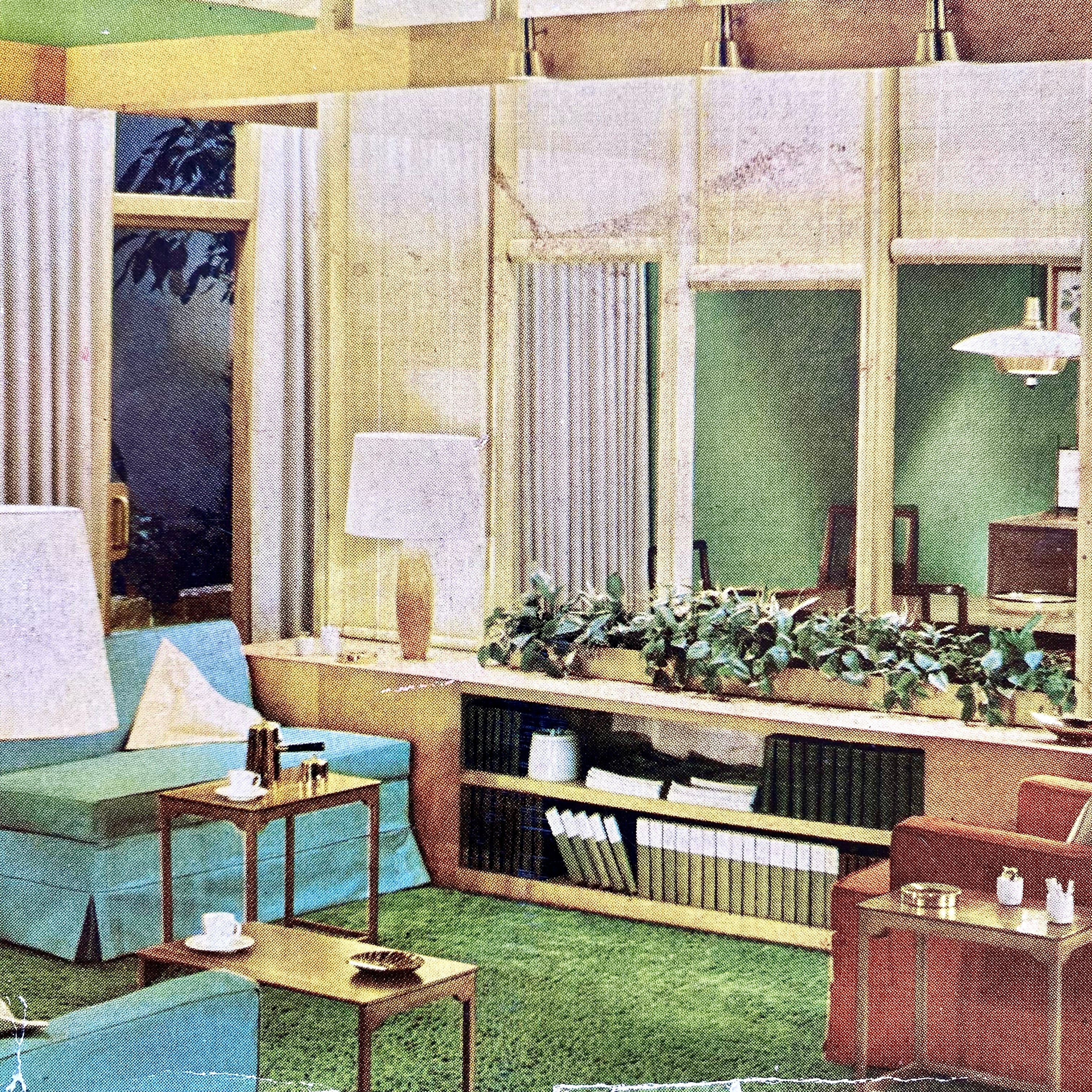
- Includes black and white line drawings throughout, alongside a selection of color photographs
- Includes original dust jacet
{CONDITION}
In lovely vintage condition, this book is clean and bright throughout with no spots, stains or markings. The dust jacket contains some chippy areas along the tip and bottom edges as well as the spine, but is entirely intact. The spine is tight, and all pages are intact.
{SIZE}
Measures 10.25" inches (length) x 8" inches (width) x 1" inches (thickness) and weighs just under 2 lbs.
Original: $45.00
-70%$45.00
$13.50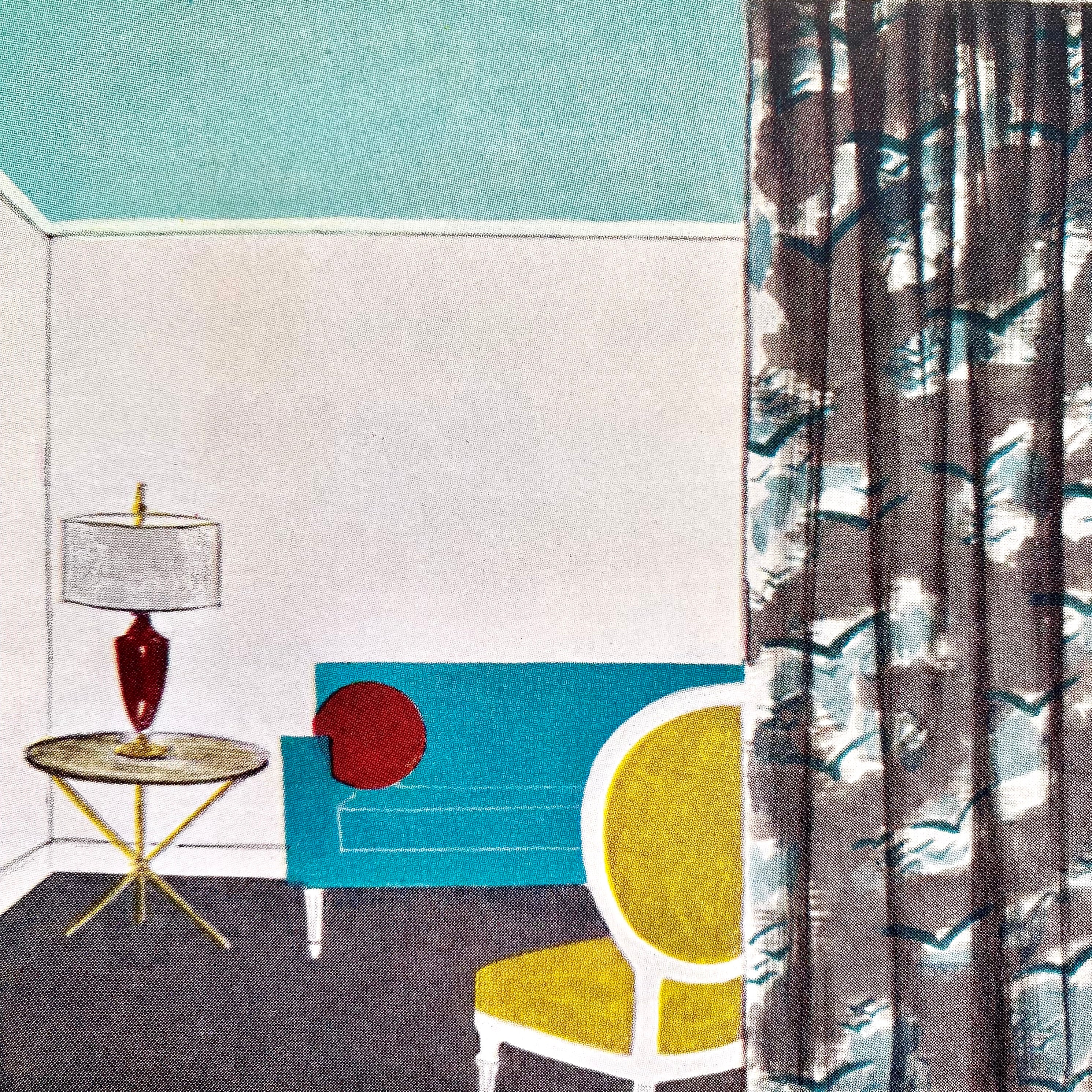
Description
No matter how attractive or well-conceived interiors may be, properly integrated controlled lighting is the key to decorating success. Eugene Stephenson, 1961
{HISTORY}
Often overlooked until the final decorating stages, lighting can make or break any room design with just one flip of the switch. Too fluorescent, and it casts a garish light. Too bright and it creates a cold, sterile environment. Too dim, and you can barely see where you're going or who you are spending time with. For the mid-20th-century DIYer, How To Decorate and Light Your Home was an informative guidebook written by two highly regarded industry professionals who had the best aesthetics in mind when it came to creating a warm, welcoming, and pleasant home environment.
One helpful design tip or technique always leads to and affects another, so you can’t completely have an interior lighting book without diving into all other aspects of interior design, too. From placement of furniture to color palettes to window treatments to incorporating different levels and types of lighting, this 1955 book tackles all aspects of thoughtful interior design to encourage harmonious room arrangements.
Often mentioned in the same circles as Dorothy Draper, Charles Eugene Stephenson (1904-2005) was one of the most respected American interior designers of the mid-20th century. Along with his wife, Olive, also a skilled interior decorator in her own right, they ran their own design firm in New York City and were frequently lauded for their various themed room schemes during the 1950s and 1960s. Of particular interest to Eugene was the effect of color on productivity in industrial environments as well as corporate workspaces, and how that translated to the home space at the end of the day. From a fun family of world-travelers, architects, and film production designers, Eugene's mom noticed his design talent when he started decorating the dining room chairs with ribbons and bows at the age of two. With a penchant for the creative life, he was a graduate of Parsons School of Design, President of the American Institute of Decorators, and widely recognized for his award-winning room designs.
With an array of indoor and outdoor lighting options today, it’s difficult to imagine that in the early 1950s, 95% of American households lacked adequate lighting. By the time this book was published, Eugene W. Commery (1893-1960) had been a trusted expert in the residential lighting field for decades. He saw firsthand how lack of light affected moods and made tasks more difficult in domestic environments of all shapes and sizes. As part of the General Electric Lighting team, he was passionate about showing homeowners the ways in which appropriate lighting and its installation could affect the overall atmosphere of an interior space.
All that being said, the two Eugenes paired up together to create this helpful and informative book dedicated to highlighting the importance of proper illumination in the domestic space. Full of interesting, practical, how-to information and peppered with line drawings on every page, this book also offers interior decoration advice customized to fit your needs, personality, and style.
Fascinating sections on the effects of different color combinations within a room show readers how different hues, and combinations thereof, create drama or softness, a soothing environment for relaxation or one that promotes excitability and creativity. Appropriate lamp types and styles for each room and their placement within highlight the importance of illuminating specific activities and setting the overall tone of each space. For kitchen lovers, there are many sections detailing the importance of specific lamps and lighting heights and placement as well as appropriate window coverings for both indoor and outdoor eating and cooking areas.
Especially fun for midcentury home dwellers, this vintage interior decorating book filled a need in the home design market of the 1950s and set the stage for how, why, and in what ways we light our homes today.
{SPECIAL FEATURES}
- Published in 1955, unstated First Edition
- 256 pages including a detailed index
- Includes black and white line drawings throughout, alongside a selection of color photographs
- Includes original dust jacet
{CONDITION}
In lovely vintage condition, this book is clean and bright throughout with no spots, stains or markings. The dust jacket contains some chippy areas along the tip and bottom edges as well as the spine, but is entirely intact. The spine is tight, and all pages are intact.
{SIZE}
Measures 10.25" inches (length) x 8" inches (width) x 1" inches (thickness) and weighs just under 2 lbs.